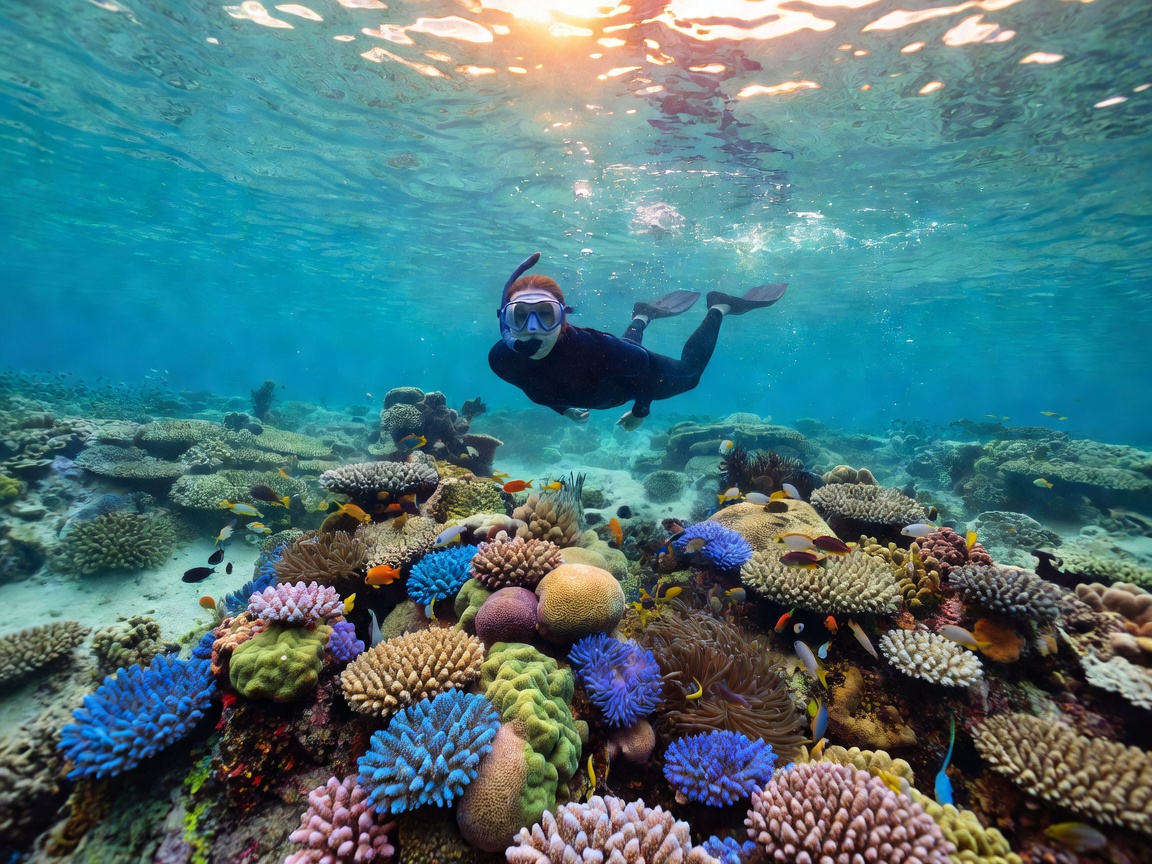
Snorkeling, diving, boat trips and other marine activities depend on local conditions and operator practices. This guide is a starting point for informed questions, not a substitute for professional instruction, official safety guidance or advice from qualified local operators.
Conditions change with place and time
Water depth, tides, currents, wind, swell, rainfall and visibility can vary over short distances and across the day. A calm-looking lagoon or a clear photograph cannot establish that conditions are safe for swimming or snorkeling. Ask for current local advice and follow instructions from qualified staff.
Use appropriate flotation or protective equipment when advised, stay within your ability and do not enter the water if conditions or your health make it unsafe. Children and less confident swimmers may need close supervision and additional support.
Choose operators with clear safety practices
Before booking an activity, ask who leads it, what qualifications or local permissions apply, what equipment is provided and how the operator responds to changing conditions. Clarify group size, participant requirements, supervision and what happens if a trip is postponed or cancelled.
For diving or any activity requiring training, use suitably qualified professionals and be honest about your experience and health. Follow briefing instructions. A general travel guide cannot assess the suitability of a specific operator or excursion.
Give wildlife space
Observe marine animals without chasing, touching, feeding or blocking their path. Follow locally established distances and instructions from guides. Avoid flash photography where it may disturb wildlife, and never handle coral, shells or other marine life unless a local authority explicitly permits an activity.
Wildlife behavior is unpredictable. Do not assume that a sighting, close encounter or specific species is guaranteed. If an animal approaches, follow the guide’s instructions and give it room to move away.
Reef care begins with small choices
Coral is living habitat and can be damaged by contact. Keep fins, hands and equipment away from the reef; use designated entry points where available; and avoid standing on or collecting coral. Secure loose gear and choose a route that reduces accidental contact.
Follow local rules about sunscreen and other products. No single product label guarantees that an ingredient is harmless to every marine environment. The most useful guidance is the current, location-specific direction from local authorities and responsible operators.
Questions before an activity
- Conditions: How are wind, current and visibility checked on the day?
- Safety: What equipment, briefing and supervision are provided?
- Experience: Are there participant, health or skill requirements?
- Wildlife: What distance and interaction rules should guests follow?
- Contingencies: What happens if conditions are unsuitable?
Read our destination guide for geographical context or explore how villas meet the water. For an editorial question, contact us.