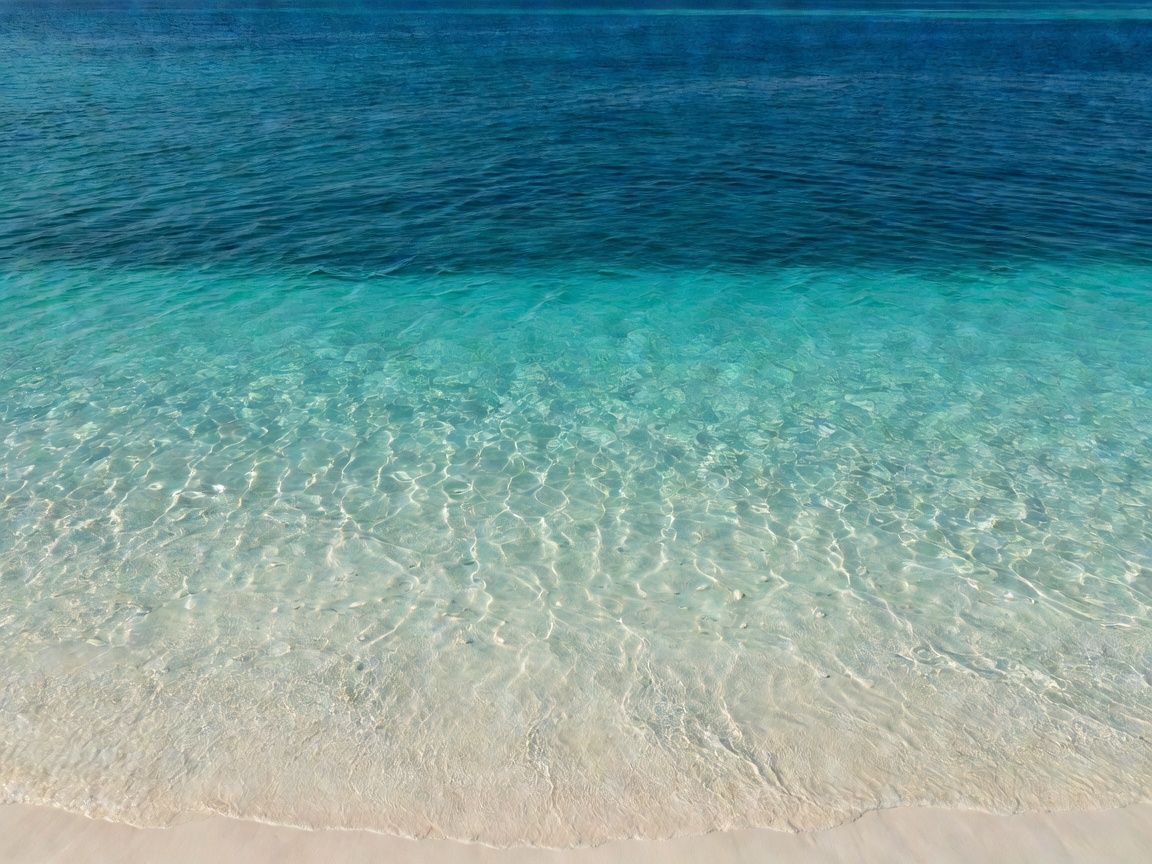
The Maldives, French Polynesia, the Cook Islands, Fiji, Seychelles and the Philippines are distinct places, not interchangeable versions of a single tropical image. This guide offers geographical starting points. It does not endorse individual resorts or confirm that every location has overwater accommodation.
Atolls, reefs, islands and lagoons
An atoll is a ring-shaped reef structure, often surrounding a lagoon. A fringing reef lies close to a shore; a barrier reef is separated from land by a wider stretch of water. These terms describe broad formations, while the exact shape, depth and openings vary from site to site. A lagoon may be shallow or deep, open to the ocean through passes, or relatively sheltered by surrounding reef.
“Sheltered” does not mean conditions are identical every day. Tides, swell, rainfall, wind and seasonal weather influence water movement and visibility. A photograph, map or general destination description cannot guarantee the conditions outside a particular villa on your travel dates.
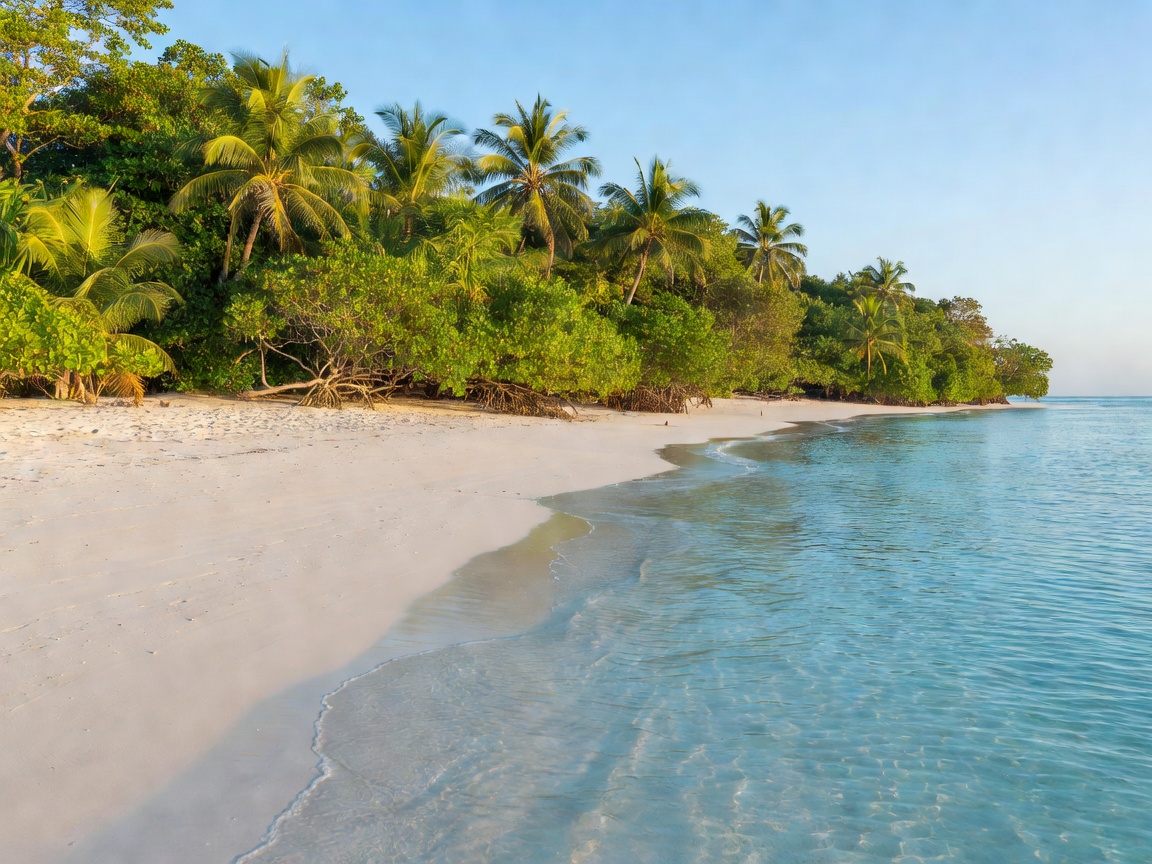
Geographical examples to research
The Maldives is an Indian Ocean archipelago made up of atolls and low-lying islands. Bora Bora and Moorea are Society Islands in French Polynesia, while Raiatea is also part of the Society Islands group; each has its own landforms and coastal setting. Aitutaki, in the Cook Islands, is known geographically for its lagoon and surrounding reef system. Fiji is a large island country with varied coastlines and reef environments. The Seychelles includes granitic inner islands as well as coral islands, creating a different mix of landscapes. Palawan, in the Philippines, is a long island province with bays, reefs and island groups in its wider region.
These are starting points for learning, not statements about the amenities or water conditions at a specific property. Overwater accommodation styles, if present, are property-specific and may be limited to certain areas.
Compare the whole trip
Distance from an international arrival point, domestic connections, boat transfers and transfer schedules can shape the first and last day. Check current arrangements directly with the property or official transport provider. Confirm what happens if a flight arrives late, whether a separate overnight stay may be needed, and how luggage is handled. Prices and schedules can change, so use current sources rather than old articles.
Seasonal weather also affects planning. Rainy periods, trade winds, cyclone seasons in some regions, swell and local sea conditions differ by destination. No season guarantees clear skies or calm water. Consult official meteorological information close to travel and follow current local advice.
Community, culture and environmental context
Island destinations are home to communities, languages, livelihoods and histories that deserve more than a resort-side summary. Before traveling, learn local etiquette and rules, seek locally led cultural experiences where appropriate, and ask how visitors can support nearby businesses respectfully. Customs vary between places; do not assume one island culture represents another.
Reefs, seagrass beds, beaches and shallow lagoons can be ecologically sensitive. Development, boat traffic, wastewater, coastal change and visitor behavior all matter in different ways. Look for clear, specific information about local protections and visitor guidance. Broad sustainability language without evidence is not enough to establish a property's performance.
Destination comparison: what to weigh
- Atoll or reef-fringed setting: may offer lagoon-facing views, but depth, passes and currents require location-specific research.
- Volcanic island landscapes: can combine steep green interiors with varied shores; transfer times and coastal exposure differ.
- Island clusters and bays: can create varied day-trip possibilities, with weather and travel time influencing access.
- Remote settings: may feel quiet, while requiring more careful transfer, supply and contingency planning.
A destination is not a property
Once a region appeals, compare individual sites. Ask for a current map or plan, information about the exact villa location, transfer details, accessibility, dining arrangements and water access. Confirm any claim that affects your decision with the property itself. If a condition is essential—such as step-free access, a sheltered swimming area or a particular meal arrangement—request a clear answer before booking.
Continue with the architecture guide or our villa living checklist. For editorial questions, contact us.