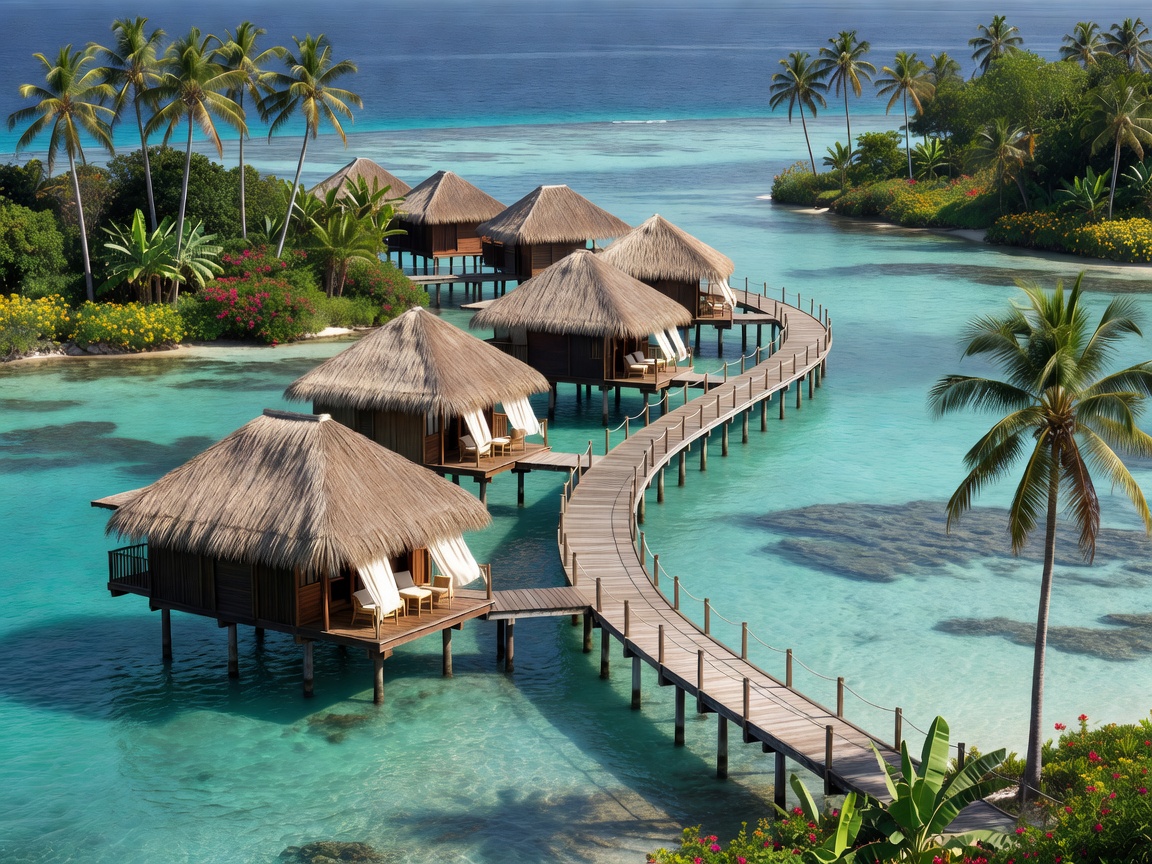
The phrase “overwater villa” describes accommodation positioned above a body of water, typically on a raised platform supported by a site-specific structure. It is a broad category rather than a single building type. The shoreline, seabed, climate, local regulations and design brief all influence what is possible.
Structure starts with place
Many villas stand on piles or other supports installed into the seabed, with a deck and enclosed rooms raised above the water. The design and construction approach depends on local ground conditions, wave exposure, water depth and environmental requirements. These are matters for qualified local architects, engineers and permitting professionals—not something a general travel guide can calculate.
A building may sit beside a sheltered lagoon, over a channel or near a more exposed coast. Those settings affect access, views, movement of water and weather exposure. The water beneath a villa is not simply scenery: it is part of the site that the structure must respond to and the visitor should understand.
Roof, shade and air
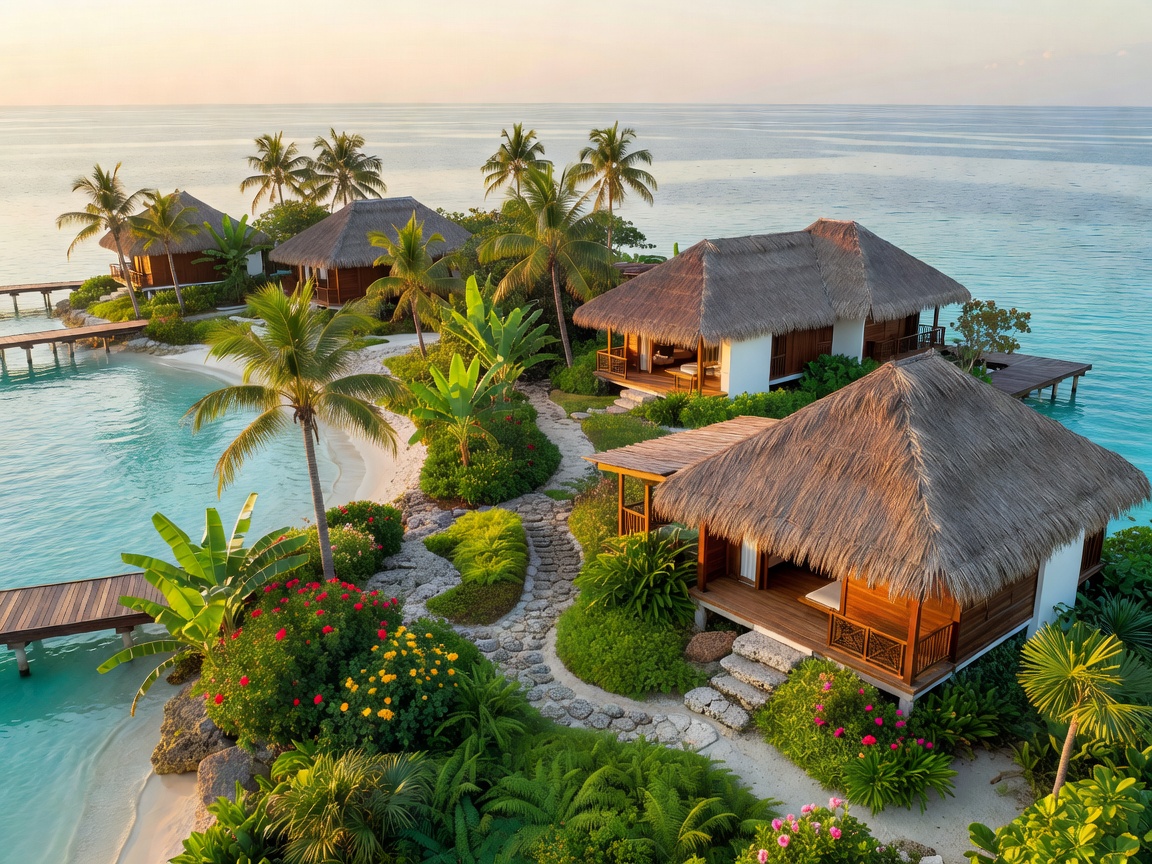
Roof forms can help manage sun and rain while giving a building its character. Deep eaves, screens, covered verandas and carefully placed openings may create shade and support natural air movement, depending on the design and climate. Large glazed areas can frame the lagoon and bring daylight inside, but they also raise practical questions about heat, glare, privacy, cleaning and storm protection.
Ventilation strategies vary. Some buildings rely on mechanical cooling, some incorporate cross-breezes, and many combine approaches. A useful comparison considers how the spaces feel in different weather, not only how they photograph at midday. Ask whether curtains, screens or shutters can provide privacy without making the room feel closed off.
Materials in a saline climate
Timber, engineered wood, composites, glass, stone and coated metals may all appear in tropical architecture. Each has different maintenance needs, sourcing considerations and performance characteristics. Salt, humidity, intense sun and driving rain can accelerate wear on exposed finishes and fixings. A material that looks warm in a new photograph may require regular inspection, cleaning or replacement over time.
Responsible material decisions are tied to local availability, durability, transport and construction practice. A broad material label alone cannot establish environmental performance. When sustainability claims matter to you, look for specific, current explanations rather than relying on a single descriptive phrase.
Decks, circulation and privacy
Outdoor decks are part of the architecture, not just an accessory. Some plans provide a compact sitting platform; others separate lounging, dining and water access into distinct zones. Direct access may be via steps, a ladder or another arrangement, but no particular feature should be assumed across all properties. Confirm the actual plan, access details and relevant safety guidance before choosing.
Orientation and spacing shape privacy. A view across open water can feel expansive while a neighboring terrace or busy boardwalk changes the experience. Screens and planting can soften sightlines, though screens can also reduce breezes or views. There is rarely one layout that maximizes privacy, openness and shade at once.
Compact plans and multi-zone villas
A compact villa can make movement simple and keep essential living areas close to the deck. A larger multi-zone layout may offer separated sleeping, dining or lounging areas, which can help a group share space. More floor area, however, can mean more surfaces to maintain and a longer route between inside and outside. Consider how you actually use space rather than treating size as a quality score.
Design priorities: useful trade-offs
- Privacy versus openness: screening can protect sightlines, while open edges preserve views and breeze.
- Shade versus sun: a covered deck offers respite but may limit all-day direct sun.
- More outdoor area versus upkeep: larger decks create zones and add exposed surfaces to maintain.
- Glazing versus comfort: broad views need thoughtful shade, ventilation and privacy controls.
For the wider setting, continue with our lagoon destination guide and villa living checklist. Have an editorial question? Contact the guide.